PCR ABS Materials
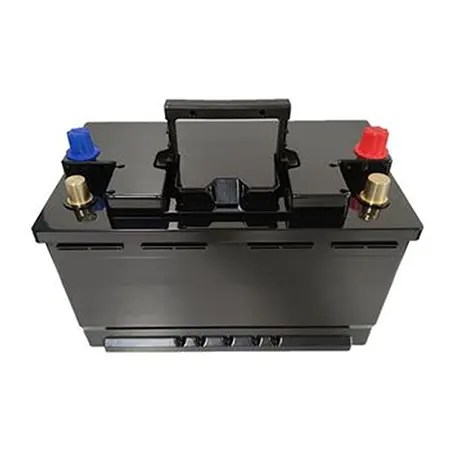
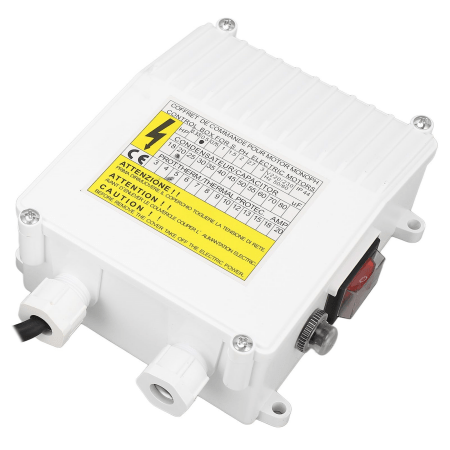
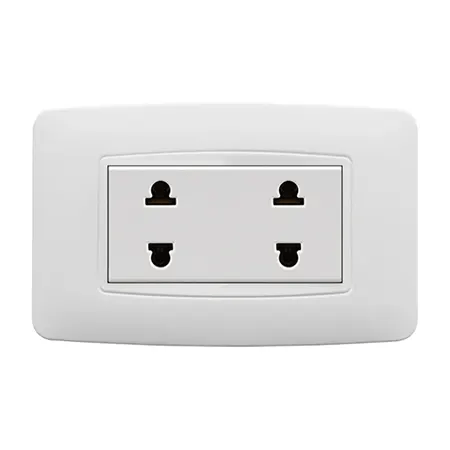
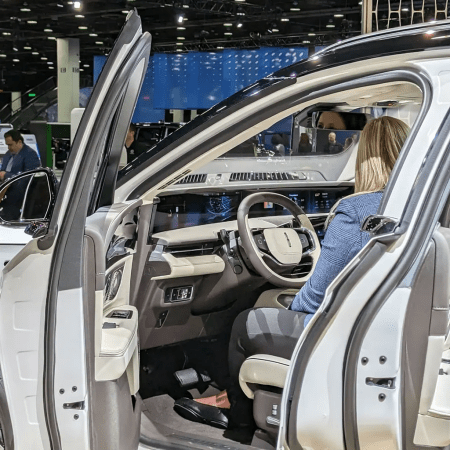
Samtion PCR ABS resin is a copolymer composed of styrene (SM), acrylonitrile (AN), and butadiene (BD), and contains post-consumer recycled (PCR) materials that have been mechanically recycled. Our expertise in ABS production and recycling technologies ensures that our PCR ABS maintains the same exceptional mechanical properties as its virgin equivalent. Samtion has built solid partnerships with qualified and licensed upstream suppliers to ensure stable quality and supply of PCR plastic. The material offers a high-gloss, ultra-high rigidity, tensile strength, and is well suited for use in home appliances, household items and office supplies. The environmental benefits of our PCR ABS resin are that it decreases virgin feedstock consumption and prevents plastic waste ending up in the environment. Our PCR ABS is compliant with TDS-ISO, SDS, RoHS, SVHC, and international standards for environmental protection.
PCR ABS Material Datasheets
Technical Data Sheet (One)

Technical Data Sheet (TWO)

Why Choose Samtion PCR ABS Materials
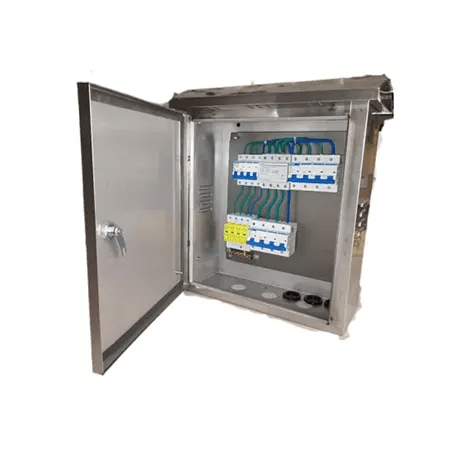
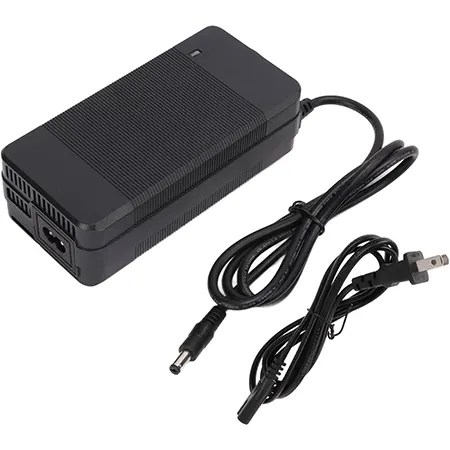
Samtion Chemical is located in Shenzhen, integrating production, R&D and sales. It has focused on environmentally friendly plastics for many years and specializes in the production of GRS certified PCR materials, mainly including PC, PC/ABS, ABS, PETG, PP, PE, PS, AS, PMMA and other PCR environmentally friendly materials. Our products are widely used in cosmetic packaging, stationery, toys, packaging, auto parts, plastic steel toe caps for safety shoes, charger casings, plug boards, wall switches, power tool casings, adapter casings, meter casings, plastic household appliances and other injection molded products . Among them, the GRS-certified PCR materials produced have won the favor of well-known companies such as L’Oréal, Procter & Gamble, and Lego. The plastic steel toe caps of safety shoes made of modified PC particles produced can reach S-level and European standards such as EN12568; the PC produced /ABS alloy is widely used in automotive interior parts, and has been recognized and praised by automobile companies such as SAIC-GM, SAIC-Volkswagen, Geely, Chery, and Zhengzhou Nissan. Our company is equipped with a complete laboratory and has professional testing and control capabilities for the physical properties, temperature resistance, flame retardancy, UV resistance, environmental protection, color matching, toughening and enhancement of various plastics. The company has won the favor and praise of many customers with its advanced technology, perfect functions, reliable quality and excellent service.
PCR plastic recycling flow chart